Discover the underwater world
Snorkeling paradise at Boca Catalina beach
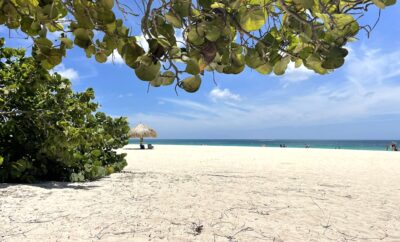
Boca Catalina Beach, a hidden gem on Aruba’s northwestern coast, is a must-visit spot for snorkeling enthusiasts. Nestled just a short drive from the California Lighthouse, this small, picturesque cove is known for its calm, turquoise waters and thriving marine life.
Early mornings are the best time to visit, as the beach is less crowded and the water is especially clear, offering prime conditions for spotting tropical fish, sea stars, and even the occasional sea turtle. Visiting during weekdays can also help you enjoy a quieter experience.
Boca Catalina is perfect for snorkeling, with calm waters and abundant marine life right off the shore. The cove is ideal for beginners and experienced snorkelers alike. Swimming is also safe thanks to the sheltered waters, and you can also enjoy floating, paddleboarding, or simply wading in the shallow turquoise areas.
Unlike larger, busier beaches, Boca Catalina offers a more tranquil experience. Its cozy atmosphere and lack of heavy crowds make it a favorite among both locals and visitors. The beach has palapas for shade and is easy to access, with plenty of parking nearby.
Quick Tips for Visiting Boca Catalina Beach, Aruba
> Getting there:
Boca Catalina Beach is just a 3 minute drive away from Villa Tibushi and the Aruba Studios. There are plenty of parking spots available right near the beach as well as on the other side of the street.
> Best time to visit:
Early morning, around 7 AM, is ideal for the best snorkeling experience. Palapas fill up quickly, so arrive early if you want a shaded spot.
> What to bring:
Snorkeling gear and water shoes, if you want to take a break from snorkeling and explore the rocks safely. A cooler with drinks and snacks is also recommended, as there are no shops or food stands directly on the beach.
> Don’t miss: The sea turtles at Boca Catalina, they are so beautiful and can often be spotted while snorkeling in the calm, clear waters. Make sure to stay at a safe distance to protect their natural habitat.